
Artificial Intelligence has revolutionized how we create, communicate, and visualize. Among the most exciting innovations are text-to-image generation tools that transform written prompts into stunning visuals. Two standout names in this field are OpenAI’s DALL·E 3 and Leonardo AI, both reshaping creativity, design, and digital expression.
In this blog, we’ll dive into their origins, features, benefits, and key differences to help you understand which AI image generator best suits your needs.
The Rise of AI-Powered Image Generation
The idea of converting text into images once felt futuristic. That changed in January 2021, when OpenAI introduced the first version of DALL·E, showcasing how a model could generate creative illustrations simply from text prompts.
Since then, the technology has evolved rapidly. DALL·E 3, the latest version, integrates language models like ChatGPT for smarter interpretation of prompts.
Meanwhile, new players emerged. Leonardo AI, built on Stable Diffusion, has gained popularity for its fine-tuning capabilities, photorealism, and flexibility.
Both tools are game-changers, but they excel in different areas. Before comparing them, let’s first understand the foundation — Stable Diffusion.

What is Stable Diffusion?
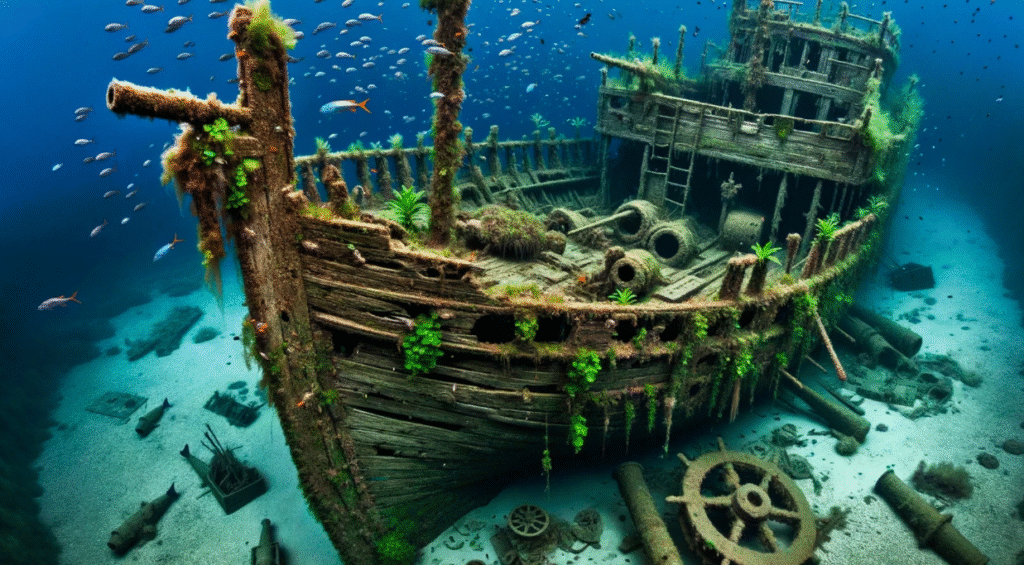
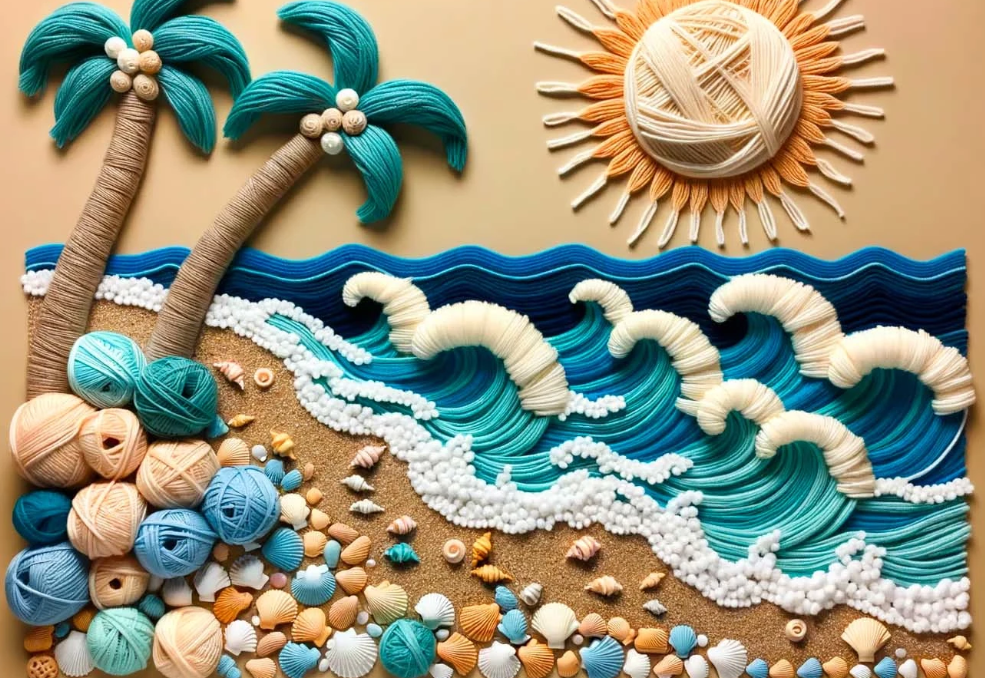
Stable Diffusion is more than just a quirky name. It is a machine learning technique designed to generate high-quality images from text in a structured, reliable way.
How It Works:
- Text Prompt Input – You provide a textual description.
- Diffusion Process – The model iteratively refines noise into a clear image.
- Stability Factor – Ensures consistency and reduces randomness in outputs.
The “stable” aspect means fewer glitches, smoother transformations, and higher realism. It bridges the gap between language and imagery, allowing machines to understand text and visualize it.
This innovation fuels many tools, including Leonardo AI, opening up new possibilities in art, marketing, product design, and content creation.
DALL·E 3 vs Leonardo AI: How They Differ
While both tools are rooted in text-to-image technology, they take different approaches to prompt interpretation and image generation.
1. Prompt Interpretation
- DALL·E 3 specializes in extracting detailed meaning from short, precise prompts. It focuses on object identification, style, and background elements.
- Leonardo AI handles broader and more complex prompts, analyzing multiple layers of input for nuanced, data-rich images.
 If you prefer simplicity and want results from short instructions, DALL·E 3 excels. If you want flexibility with complex prompts, Leonardo AI is the better fit.
2. Integration with ChatGPT
One of DALL·E 3’s unique strengths is its integration with ChatGPT. When you provide a long prompt, ChatGPT breaks it down into structured inputs for DALL·E 3.
For example, a prompt like:
“An antique botanical illustration of a hybrid lily and Venus flytrap, drawn with fine lines and watercolor accents.”
ChatGPT reformats it into parameters such as:
- Botanical Hybrid Class (defines the species mix)
- Fine Line Style Weight (emphasizes line details)
- Watercolor Effect Intensity (controls blending style)
This breakdown allows precise, targeted image generation, turning complex requests into accurate outputs. Leonardo AI doesn’t yet have this level of language model integration.
3. Legible Text in Images
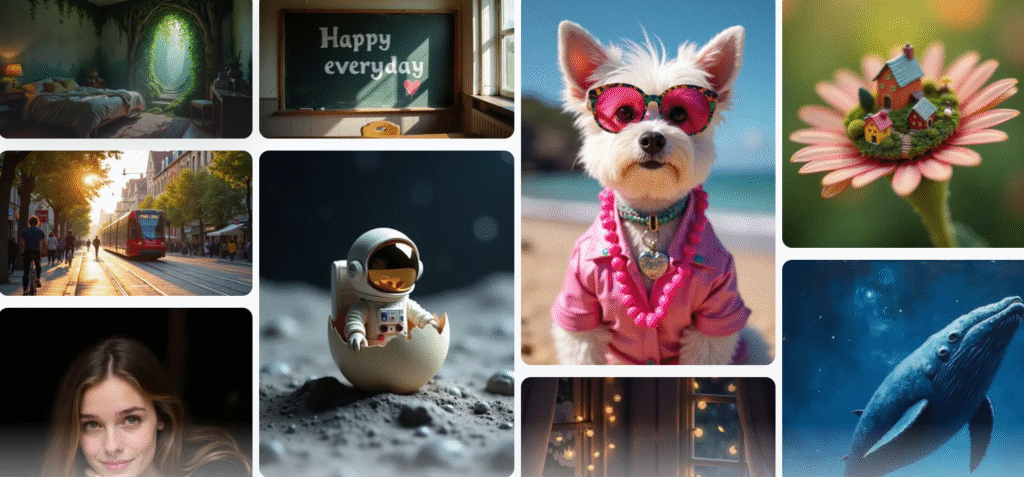
- DALL·E 3 has made major progress in rendering readable text within images (like posters or book covers). Earlier AI models struggled with this, often producing gibberish.
- Leonardo AI, while powerful, still lags behind in generating clear text on visuals.
If you need marketing materials, posters, or infographics, DALL·E 3 is the stronger option.
4. Fine-Tuning Models
One area where Leonardo AI shines is fine-tuning. It offers publicly available models that users can customize, giving them more control over:
- Style
- Resolution
- Attention mechanisms
- Realism levels
DALL·E 3, while accurate, does not yet offer consumer-level fine-tuning.
For professionals who want tailored outputs, Leonardo AI offers more flexibility.
5. Photorealism
Leonardo AI places a strong emphasis on photorealistic imagery, mimicking real-world textures, lighting, and perspectives. This makes it an excellent choice for:
- Product design
- Architecture previews
- Realistic portraits
DALL·E 3, on the other hand, often leans toward creative, illustrative outputs that resemble digital art more than photographs.
If your goal is authentic, photo-like images, Leonardo AI outperforms DALL·E 3.
Key Benefits of Each
 Benefits of DALL·E 3
- Simple prompts generate detailed images.
- Integrated with ChatGPT for smarter outputs.
- Better at rendering readable text in designs.
- Ideal for creative projects, marketing, and quick visual storytelling.
Benefits of Leonardo AI
- Built on Stable Diffusion, ensuring consistent results.
- Offers fine-tuning models for customization.
- Excels in photorealism for real-world accuracy.
- Great for professionals in design, branding, and product visualization.
Which One Should You Choose?
The choice depends on your needs:
- Choose DALL·E 3 if you want:
- Easy-to-use, accurate image generation.
- Better text handling in visuals.
- Creative illustrations for content and marketing.
- Choose Leonardo AI if you want:
- Customizable, fine-tuned models.
- Realistic, photo-like images.
- Advanced flexibility for complex prompts.
Conclusion
Both DALL·E 3 and Leonardo AI represent the cutting edge of AI-driven creativity.
- DALL·E 3 stands out for its precision, integration with ChatGPT, and ability to generate legible text, making it perfect for marketers, content creators, and storytellers.
- Leonardo AI shines with its photorealism, fine-tuning options, and Stable Diffusion foundation, making it better suited for designers, product developers, and professionals seeking control and realism.
